
Start with a measurable package of work
Consider a floor where masonry, services and finishes advance at different rates. A single percentage for the whole floor may hide the action the site manager needs to take. A stronger brief identifies the work packages to review, the evidence required and the person responsible for confirming status. The scan then supports a defined question.
What construction studies contribute
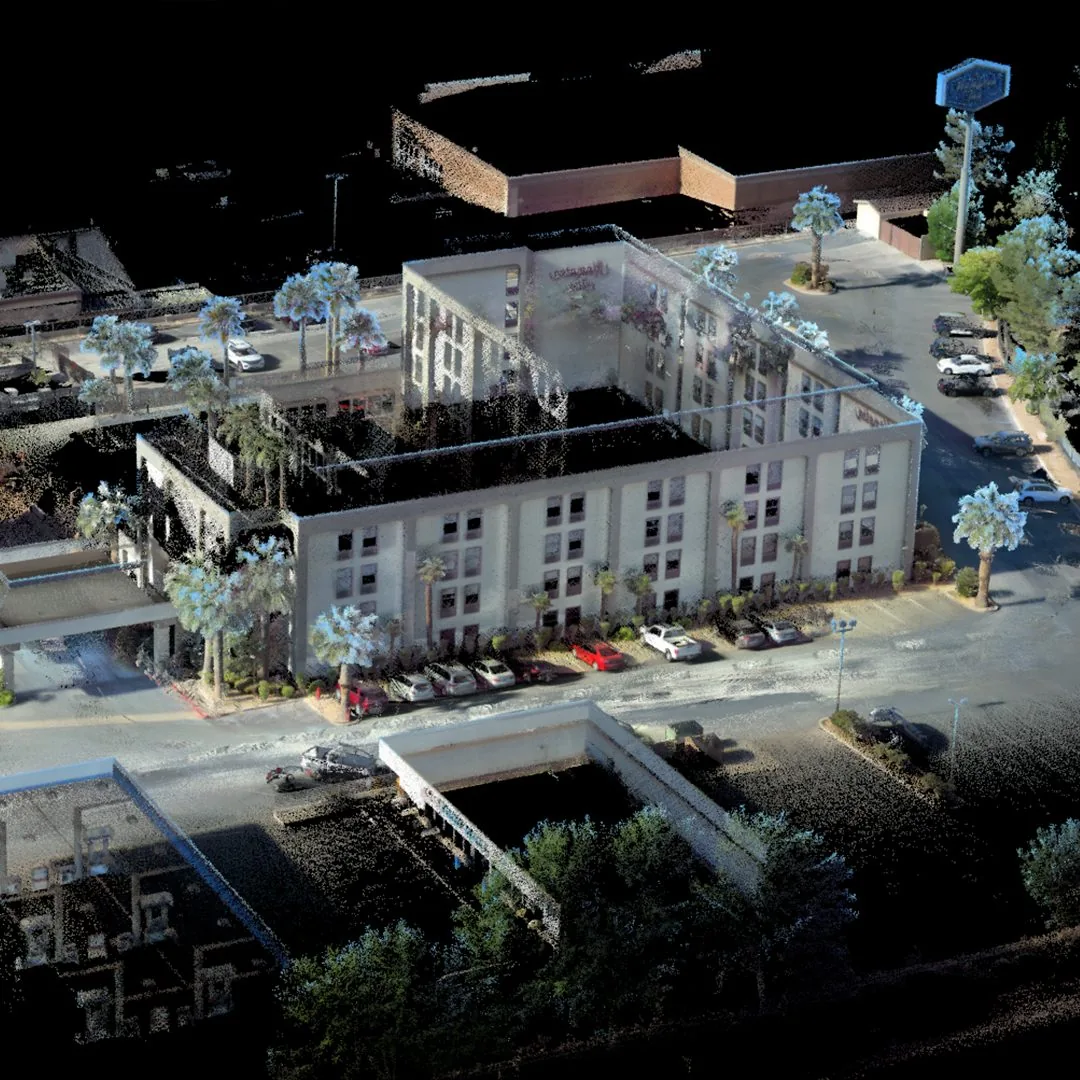
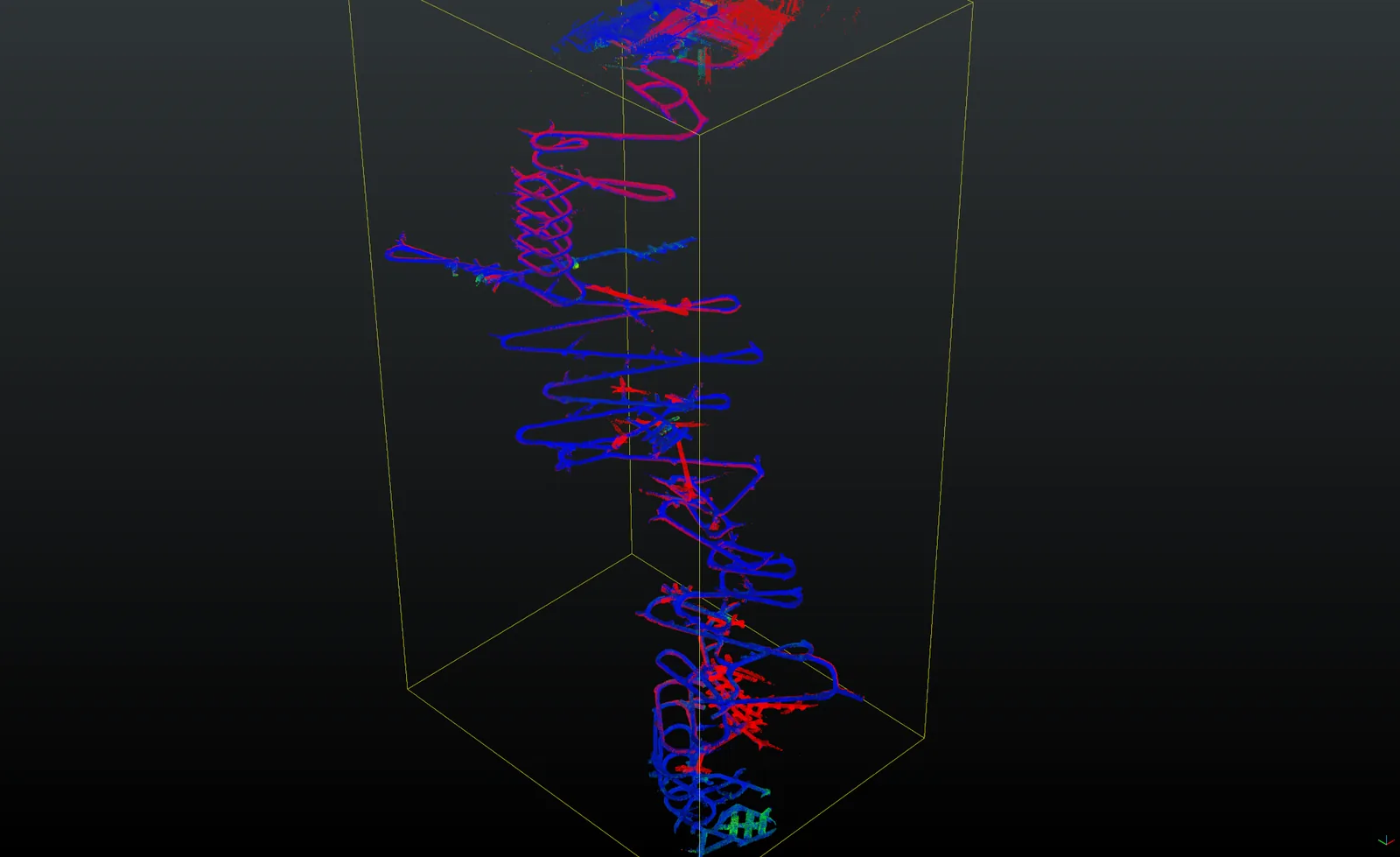
Research combining 4D BIM with SLAM-based site surveys links the planned programme to repeated observations. The authors also report difficulties when early construction provides little matching geometry. They explain that design changes must be reflected in the model before discrepancies are interpreted as delays. This makes model governance central to progress reporting.[1]
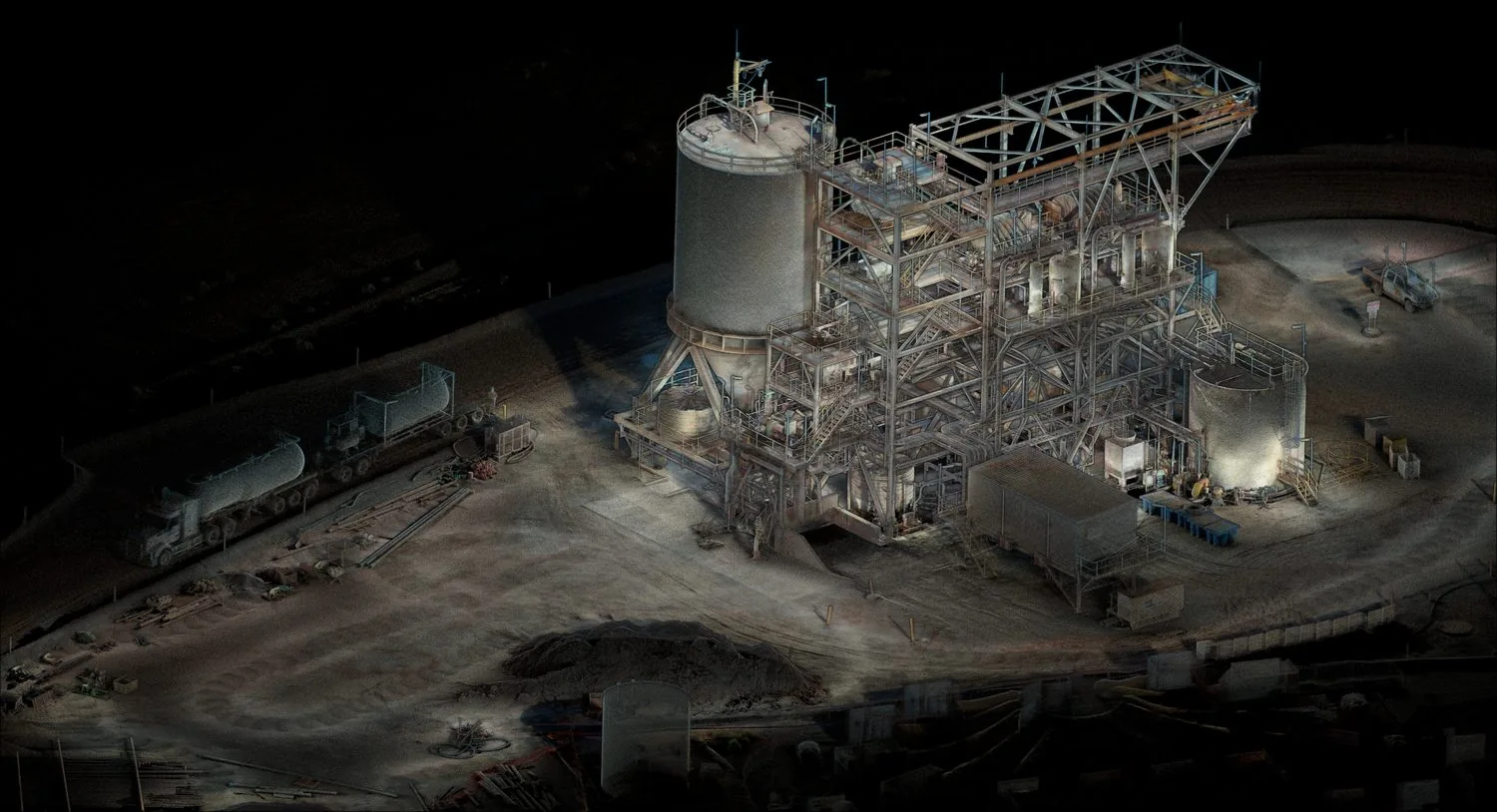
A masonry case study in Sydney combines mobile SLAM capture, filtering and as-built modelling to estimate progress from material quantities. Its contribution is a task-specific workflow for extracting relevant objects from site data. The reported estimation performance belongs to that case study; it should not become an assumed accuracy for every trade or building.[2]
An ISARC study uses SLAM-supported augmented reality to present BIM information on site. It includes adjustments to positioning as the construction environment changes. This highlights a separate responsibility: displaying the plan convincingly requires maintained alignment, even when the underlying purpose is communication rather than producing a new geometric survey.[3]
Build a repeatable review cycle
Our practical recommendation is to use the capture as evidence within a review process. Connect each survey date to the correct model and programme revisions. Document coverage, process the data consistently and ask the responsible team to resolve ambiguous findings. A dashboard should distinguish what was observed from what was inferred.
- Define the completion rule for each element or work package.
- Mark areas hidden by stored materials, temporary works or other obstructions.
- Separate accepted design variations from installation discrepancies.
- Keep the capture, review decision and reviewer together in the project record.
Report uncertainty in a useful way
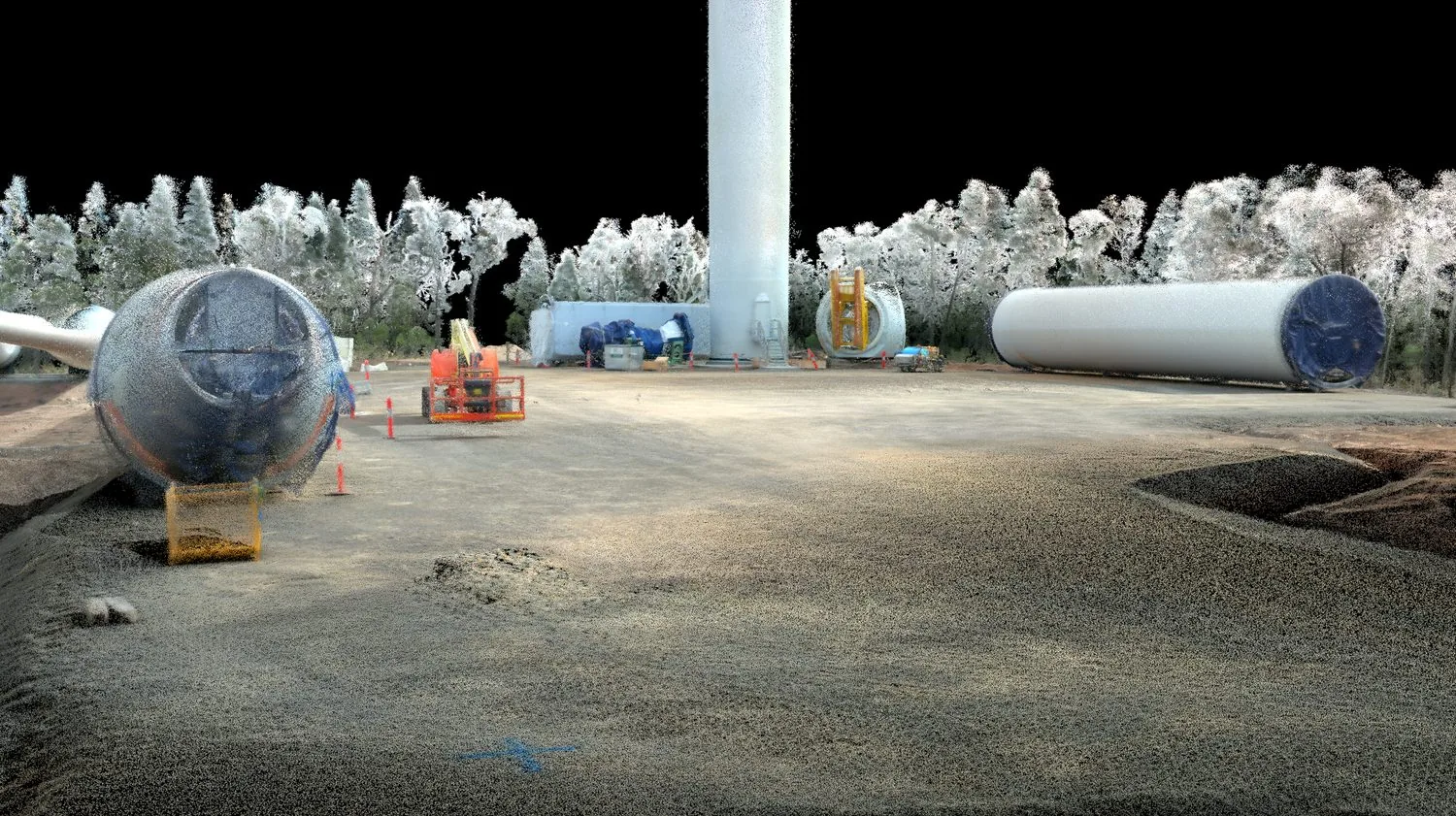
Suppose a wall is absent from the visible scan because stacked materials blocked the view. Reporting it as incomplete may send the programme review in the wrong direction. A status such as “not observed—verification required” gives the team an action without inventing certainty. The same principle applies when visible geometry does not establish whether testing, commissioning or other non-geometric work is complete.
For an AutoMap pilot, choose a manageable work package and run the full cycle from field capture to a reviewed progress report. Success is a decision the project team can explain and repeat, not simply a point cloud that resembles the building.
Sources & further reading
This original article draws on the research below. Practical recommendations are editorial synthesis; the cited studies are not performance claims for AutoMap products. Sources checked on 10 September 2026.
- 01Construction Progress Monitoring through the Integration of 4D BIM and SLAM-Based Mapping Devices
Buildings · 2023 · Journal article
- 02Dynamic Progress Monitoring of Masonry Construction through Mobile SLAM Mapping and As-Built Modeling
Buildings · 2023 · Journal article
- 03A Construction Progress On-site Monitoring and Presentation System Based on The Integration of Augmented Reality and BIM
ISARC 2020 · 2020 · Conference paper